🎉 EOFY SALE – Save 20% All Printed BUSY BOOKS - RUN!
Welcome to Busy Books Australia, the revolutionary new way to learn!

Emotions can feel like a big deal for little people. When children are young, they may not understand what they are feeling or why, or how to yet manage those big emotions.
One way parents can help children understand and manage their emotions, even from a young age, is through reading. Books can help children learn different emotions, what can create these emotions, what to do when these feelings are being experienced. In fact, there are books made specifically to help children connect with their emotions and even learn empathy for others through these learnings.
There are a few things parents can do to better help their children get the most from books and understanding and managing their emotions from them.
Reading together with your child can help create opportunities for meaningful connections. The shared reading experience helps foster emotional bonds between children and adults, allowing them to engage in discussions about characters’ emotions and experiences. This bond can help children feel comfortable asking questions or sharing their emotions, and even approach these adults when not reading. It also gives you the opportunity to ask questions and have your child explore their thoughts and feelings about what they are reading further.
When your child shares an idea, questions or feeling, ensure you make them feel comfortable in having done so. Show empathy and understanding, even relating with your own feelings or thoughts. You can ask further questions to help them feel heard, and deepen that bond. By feeling heard and understood, your child can better understand their emotions and how they can manage these feelings in the future.
“Part of children learning to understand and manage their emotions is to first know it’s okay to feel emotions. Providing a safe environment for children to express themselves will help them be able to gain that understanding and be able to learn to self-manage their feelings.”
As children read about different experiences and emotions, have them relate it back to their own experiences. Activities in Busy Books are a good way to create opportunities to have these discussions.
In books like, My Body Mindfulness, children get to partake in activities where they associate different actions with emotions. One activity has them match how they would feel with an event. For example, there is a picture of a child who has fallen off their bike. You can take the chance to ask your child why they might feel like that or if they had a friend who fell off their bike, how they think they could make them feel happy again. It helps them connect information with real-world experience, creating greater understanding of their emotions.
The more fun you can make learning, the more your child will want to get involved. Using books with activities, bright images and interactive features can help children be more engaged in learning, especially those with learning disabilities or developmental disorders.
Parents of children on the spectrum have noted the benefits of Busy Books in helping engage their child in learning their emotions. While typical story books aren’t able to hold their attention, they find the activities in Busy Books are able to keep their child happy and eager to learn for the time it takes to get through the book. For parents who are struggling with having their child read and want them to experience the benefit of understanding of managing their emotions through reading, Busy Books may help you do that.
Share this article via:
Did you know we share more content and practical applications of Busy Books inside our VIP group?
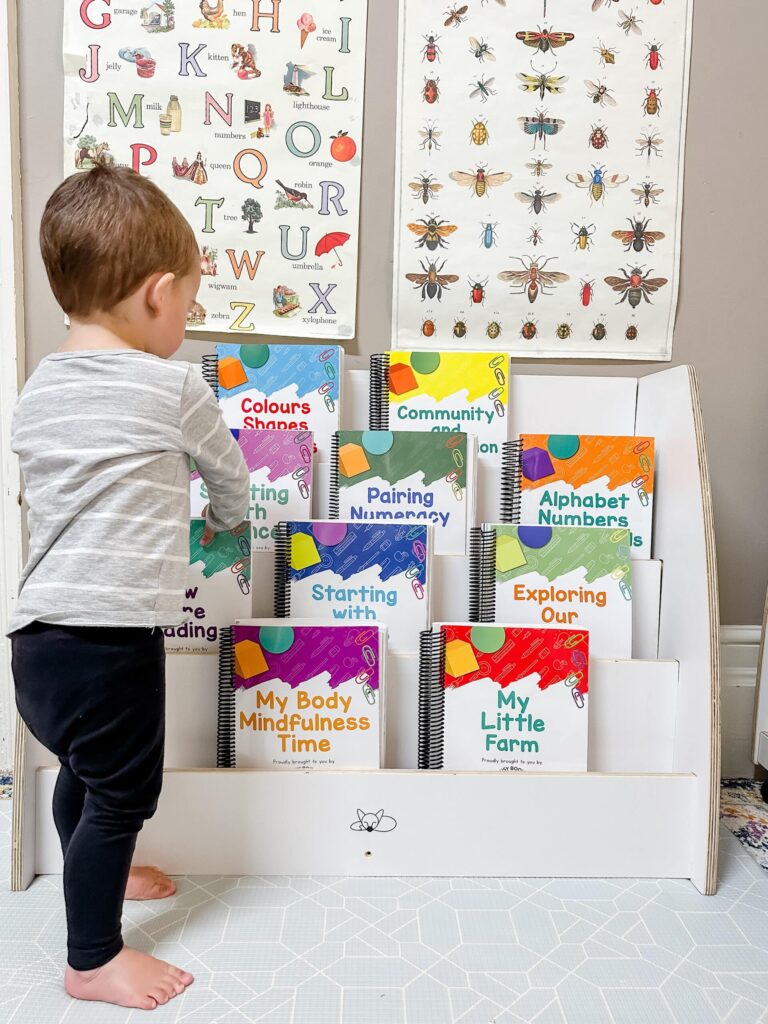
Engaging your busy toddler or young child in learning can be a tricky thing. With short attention spans and eager to discover the next exciting adventure, capturing a child’s interest with quality educational resources can feel like you you are continuously chasing that pot of gold at the end of the rainbow. What if we […]

Neurodivergent children, autistic children and children with ADHD or ASD develop skills at a different rate than non-neurodivergent children. Even how they learn can be different, and they can experience challenges with social skills, processing information, sensory processing, communicating with others and other developmental delays. As a parent or teacher of neurodivergent children, autistic children […]

Every parent wants their child to succeed in life, reaching milestones and developing skills. Sometimes this may be a little slower than expected, such as development delays in the way a child moves, communicates, learns or even behaves with others. Whether you’re a parent or work with children, you can help children with developmental delays […]
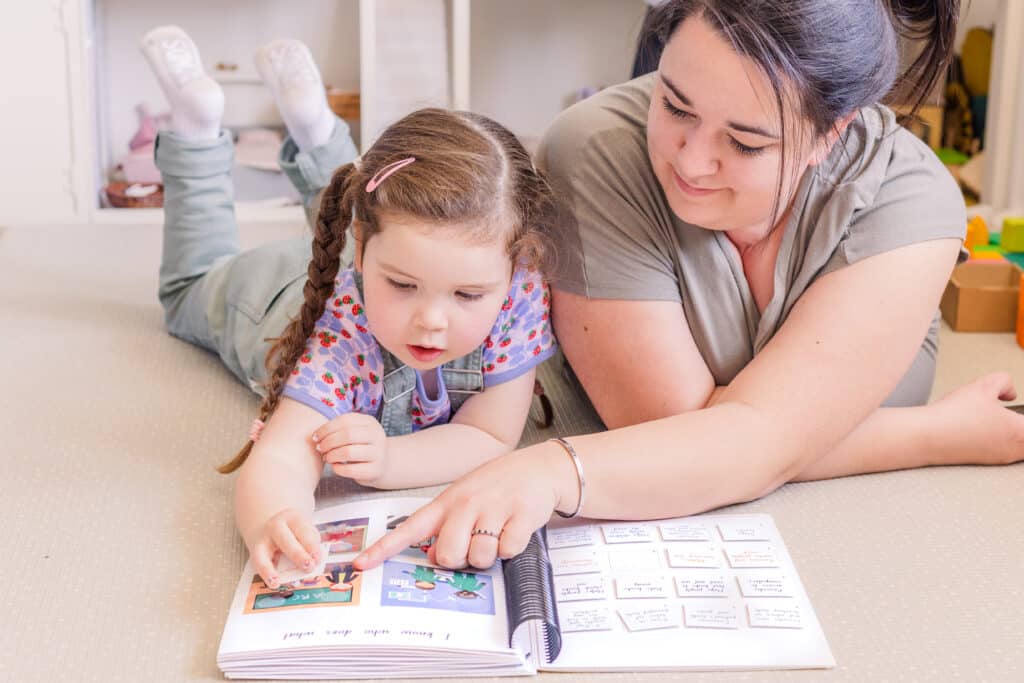
Finding out your child is experiencing a communication or language delay can be disheartening. But with the right tools, you can give your child the best chance and opportunities to develop their verbal communication skills. Busy Books are one of these tools, with parents all over Australia thankful they took that step to help their […]
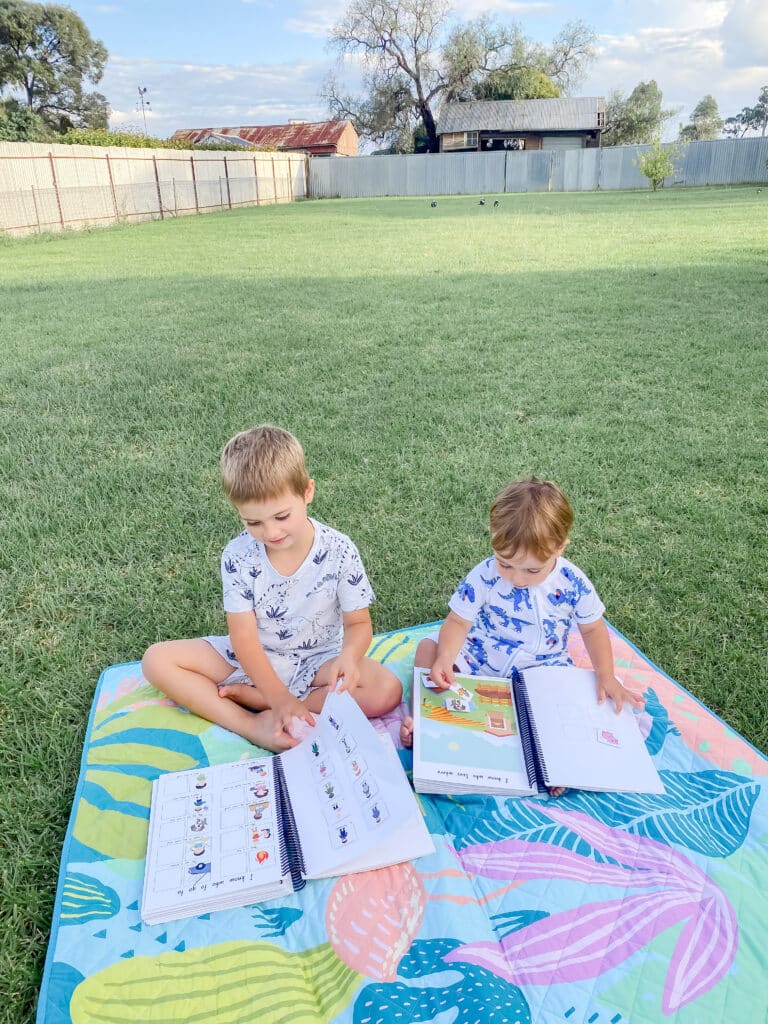
Busy Books are recommended by speech pathologists, occupational therapists, early childhood educators and paediatric specialists to help with childrens’ learning and development. There are activity books for children from 18 months and up, all the way through to the teenage years. The bright colours, fun characters and hands-on activities help keep kids interested and engaged […]