
Emotional development in children is an incredible science. From as young as four months we start to show facial emotions, and as we grow, our social-emotional development continues to be shaped and moulded well into our adult lives.
The role of Busy Books in enhancing your child’s emotional development is an important one in measuring their current awareness and in helping them explore in a fun way. As kids move through the books, the level of emotional awareness needed increases, giving them prompts to explore and grow the skills.
Let’s take a look at some of the different ways Busy Books can help with children’s emotional development and how to support them on their journey.
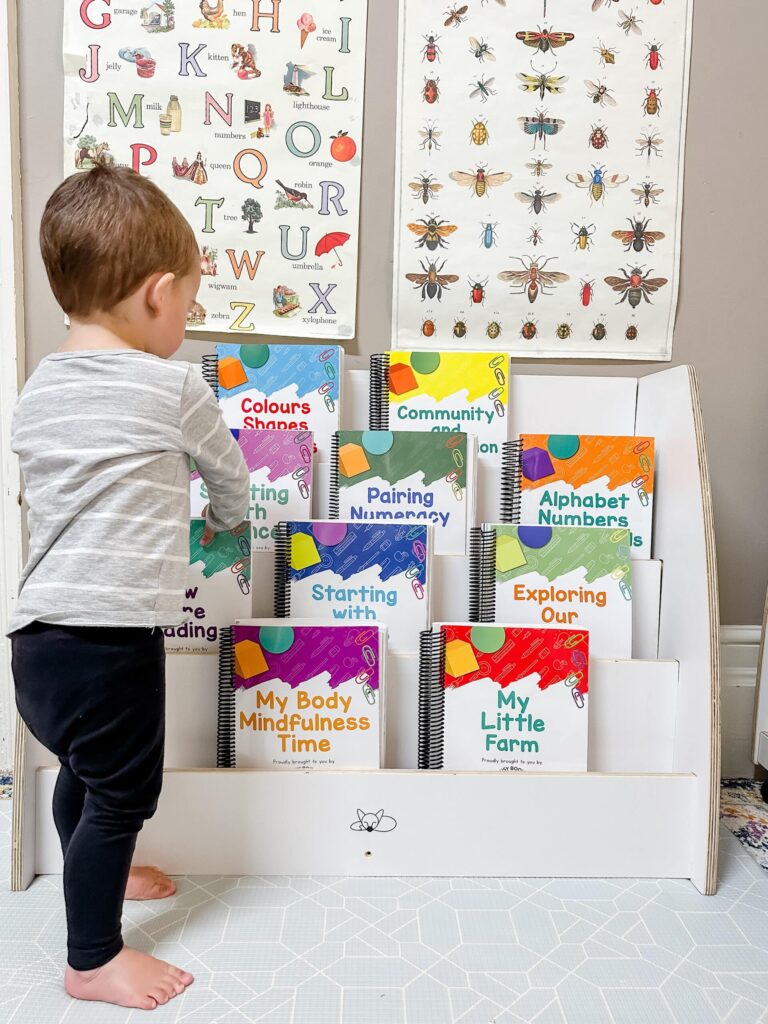
Busy books are educational resources full of activities and materials to keep children engaged in learning. They often consist of puzzles, mazes, stories, colouring pages, games and other fun activities that can be tailored to your child’s level and interests.

Every Busy Book is designed with different themes to expose kids to a range of age-appropriate environments, words, emotions, activities and sensory journeys. While one book may explore numeracy or language skills, another may take them on a trip through recognising emotions and exhibiting empathy.
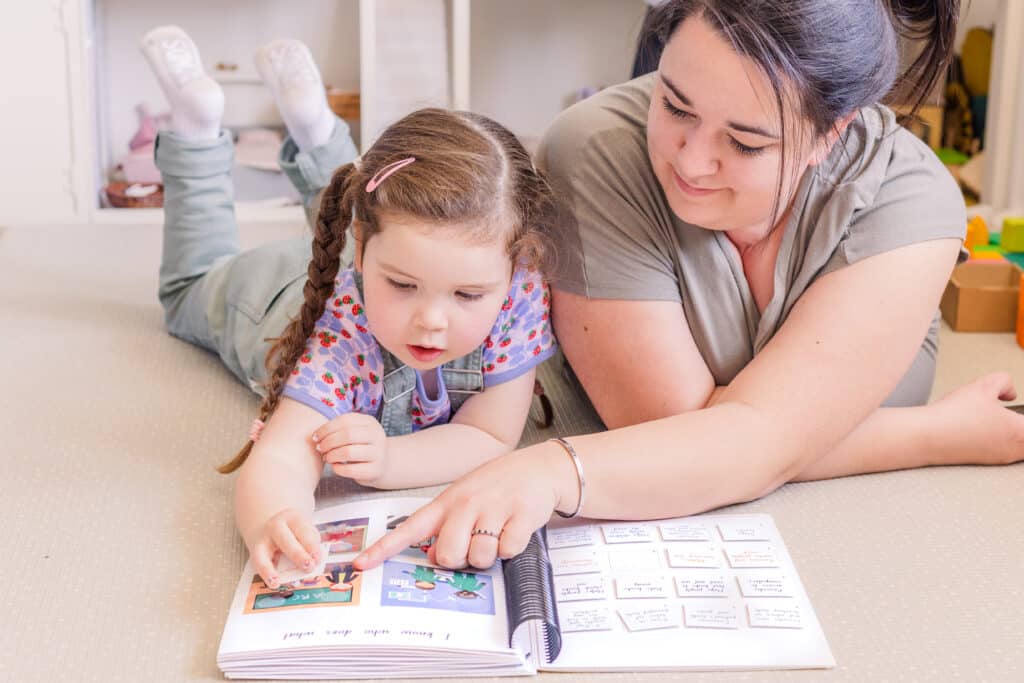
Busy Books provide parents and kids with guided pathways to explore different areas of emotions and social development. For example, while one page may have your child match a cartoon facial expression to an emotion, another page may give your child other words for expressing a particular emotion.
These learnings help your child understand their different emotions and how they may be able to express those emotions. In turn, it helps them recognise different emotions in others through different expressions, words and actions, helping them be more confident in social interactions.
Many parents even learn other ways to express their emotions and how their child expresses their emotions, helping them to communicate with their child better. So, Busy Books can be a great activity for parents and kids to do together!
Busy Books often incorporate stories or scenarios that depict diverse emotions and situations. These narratives expose children to different perspectives, enabling them to understand and empathise with others.
Incorporating Busy Books into our children’s lives can be a great way to support their emotional growth and equip them with the tools they need to navigate their emotional landscape with confidence.
Through interactive activities like role-playing or discussing emotions displayed in stories, children learn to recognise and validate emotions in themselves and others. This understanding lays the foundation for empathy, which is an essential component of emotional intelligence.
Developing empathy and understanding early on helps kids put themselves in someone’s shoes, and fosters compassion, tolerance and healthy relationships. All of these skills can help your child as they enter kindergarten and schooling, and begin engaging with different people.
Emotional regulation is a vital skill that allows children to manage their feelings and responses effectively. Busy Books provide opportunities for children to practise emotional regulation in a safe and controlled environment.
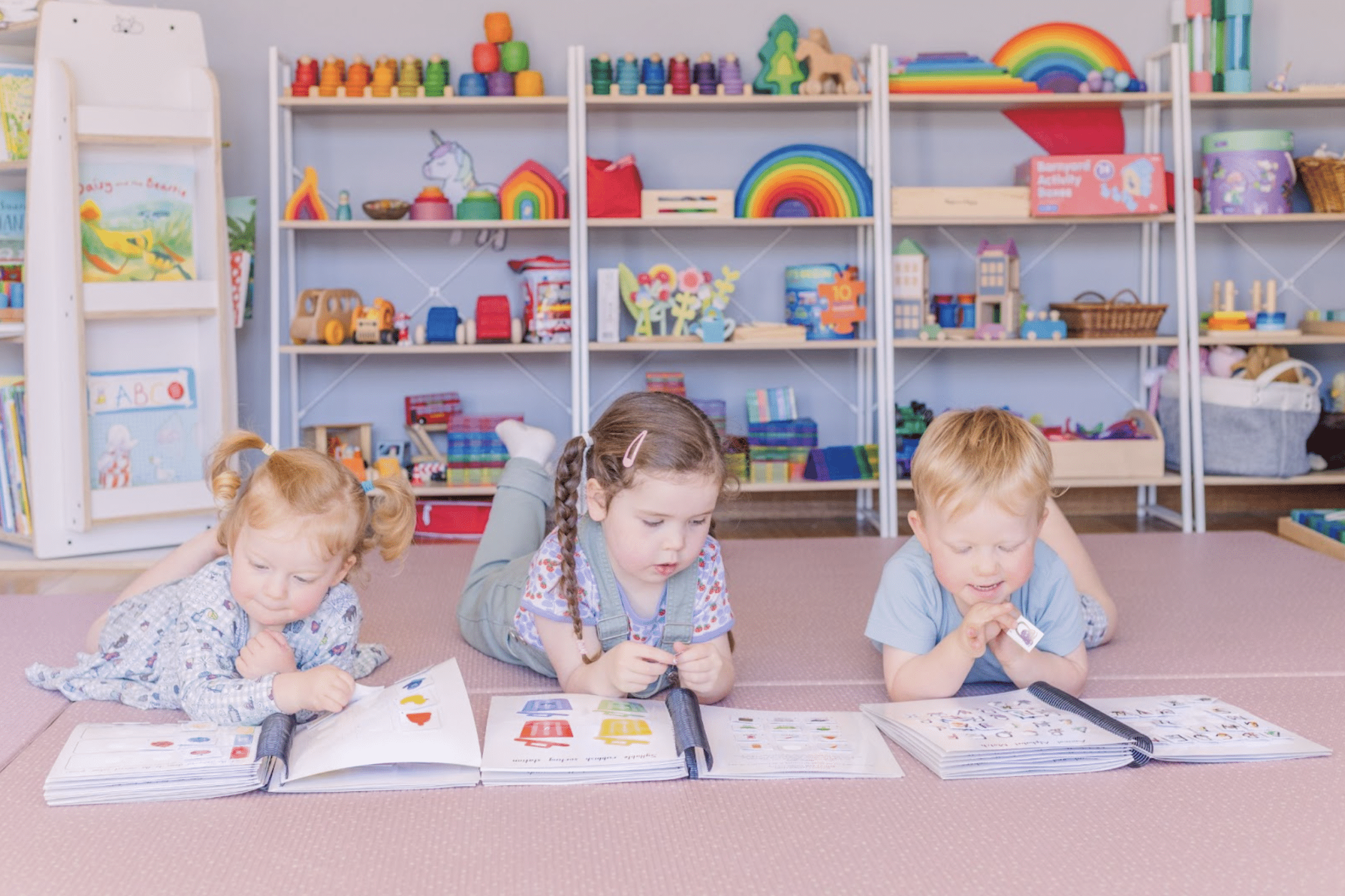
These kid’s activity books often include interactive elements such as puzzles, matching games, or sensory activities that engage children’s attention and focus. By participating in these activities, children learn to calm themselves, self-soothe and manage their emotional states.
Having an understanding of the emotions they feel allows kids to develop strategies for coping with frustration, anger, anxiety and other emotions, all of which they’ll phase in daily life. In understanding these emotions, they can learn how to best express and handle what they are feeling.
Busy Books typically present children with a range of challenges and problem-solving tasks. These activities encourage children to think critically, make decisions and evaluate the consequences of their choices.

When faced with various scenarios, children can explore different emotional responses and their outcomes. This process helps them develop a sense of emotional resilience and adaptability. By actively engaging in problem-solving within the context of busy books, children become more confident in their ability to navigate real-life situations and make informed choices.
As parents and caregivers, incorporating Busy Books into our children’s lives can be a great way to support their emotional growth and equip them with the tools they need to navigate their emotional landscape with confidence. However, we need to remember these are little people undergoing big journeys.
So, while Busy Books are a fun way to make these discoveries, it’s important to monitor our children’s emotions and behaviours, and if they may be getting overwhelmed. It’s good to integrate Busy Books as part of your child’s daily play, ensuring they get a mix of activities in their day.